About us
Get to know us
We are a consulting company, specialized in Hydraulic, Maritime, Coastal, Water Resources and Irrigation Engineering. Together with our associated partners, we make up a multidisciplinary professional team that enable us to tackle the challenges that the interaction of water, infrastructure and the environment present us. We pride ourselves in providing a service of excellence, using cutting-edge technologies, tools and methodologies to find smart, simple and effective solutions for our clients.
The Team

José Beyá Marshall
BEng (Hons equiv), PEng (Civil-Hydr-Env), MEng, CPEngNZ, IntPE
- Civil Engineer, Hydraulics, Sanitary and Environmental - Universidad de Chile.
- Master of Engineering - University of New South Wales, Australia.
- Chartered Professional Engineer, New Zealand.
- International Professional Engineer/ APEC Engineer.
José has more than 20 years of experience in hydraulic, maritime and environmental engineering, studies, physical and numerical modeling, design, oceanographic measurements, technical direction and expert advisor, undergraduate and postgraduate university lecturing, project management and research - in Chile, Australia and New Zealand.

Ignacio Beyá Marshall
BEng, PEng (Civil-Hydr-Env), MASc
- Civil Engineer, Hydraulics, Sanitary and Environmental - Universidad de Chile.
- Master of Applied Sciences in Engineering - University of Victoria, Canada.
- Specialization courses from the Water Resources and Environment Masters Programme (4) - Universidad de Chile.
Ignacio has more than 14 years of experience in hydraulic, coastal, maritime, water resources, sediment transport, physical and numerical modeling, oceanographic measurements and environmental data analysis in Chile and Canada.
What Our Client Says
... A very positive experience ...
"Working with IHBEYA was a very positive experience for me. They quickly understood the issue and began work immediately upon contract execution. I particularly valued their commitment to gaining a thorough understanding of the site, beginning with an on-site visit and reconnaissance. From that point, the project progressed efficiently, requiring only a limited number of discussions. The project was well managed and executed efficiently. I would be happy to work together again on future projects."
Bilyana Podrumac - Project Manager Water Utilities for a District Council in New Zealand
... Breezed through reviews.
"IHBEYA was referred to us as a company that was aligned to Council best practices. They were very helpful and understood the scope of works for the report we needed to satisfy Council. Easy to deal with, keeping us informed along the way with costings and timing. Last minute changes were easily dealt with and the finished report breezed through reviews. Highly recommend IHBEYA."
Campbell Lee – Project Manager – Rural Urban Surveyors Ltd
Councils very satisfied - Excellent work & prompt report.
"We engaged Jose Beya of IHBEYA – Coastal & Hydro-Environmental Engineers to complete a Coastal Processes Impact Assessment for several seafront properties along the Kāpiti Coast. His work on the Raumati Seawall repair was excellent, and both Greater Wellington Regional Council and Kāpiti Coast District Council were very satisfied with the assessment — no questions raised. Jose delivered the report promptly and was great to work with throughout the whole process. We have his contact details on hand and will be reaching out again when we next require his expertise."
Peter Jenkins – Environmental Manager – Mills Albert Ltd
Above and beyond. Clear,comprehensive, and responsive
"Jose provided advice on applying coastal hazards modelling within a land use planning context. Jose’s advice was clear and comprehensive, and he was responsive to making changes as required. He went above and beyond to deliver on the needs of his client."
Fleur Lincoln – Principal Policy Planner – Napier City Council
Highest-quality coastal engineering advice
"IHBEYA provided prompt, expert advice, drawing on extensive knowledge of coastal and erosion processes and sharing relevant examples from across New Zealand. For a Council organisation responsible for investing in coastal protection assets, it is reassuring to know we have access to the highest-quality coastal engineering advice"
Antony Rewcastle – Portfolio Lead, Open Spaces – Napier City Council
Highy professional and genuine commitment
"I am pleased to provide this reference for Jose and his team at IHBeya, whom I have known since 2024 in my professional capacity as a public sector contracts manager. Jose demonstrates a high level of professionalism, supported by strong technical expertise and a genuine commitment to the environment. Jose has partnered on several coastal and hydrology-focused projects across the Waikato Region and has consistently met expectations in reporting quality, financial management, and flexibility, while collaborating with partners under challenging timeframes. I look forward to continuing our business relationship and wish Jose and his team every success in their future endeavours. Regards."
Mannav Shah – Contract Management Lead – Waikato Regional Council
Services
Find out how we can help you
Coasts and Estuaries
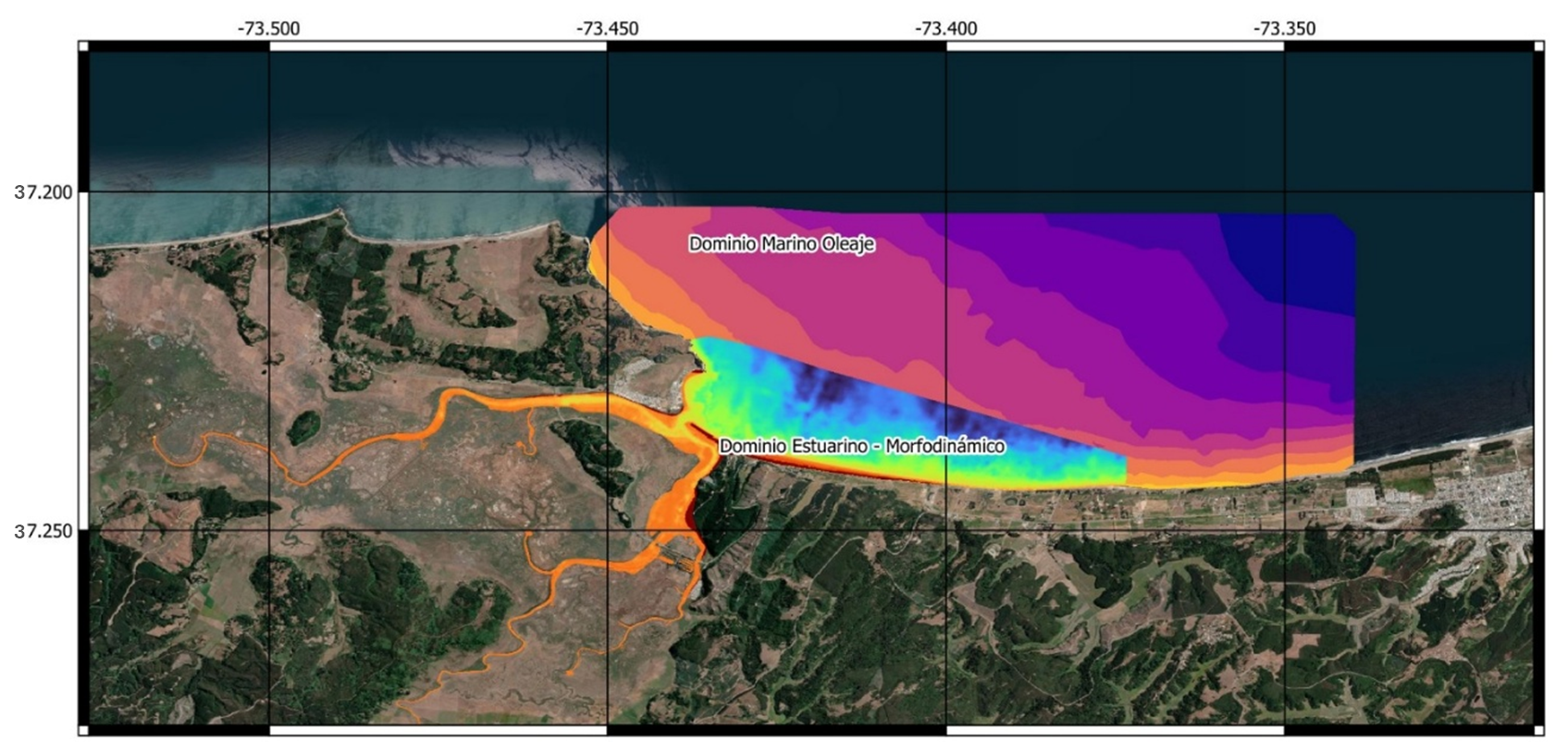
- Wave modelling.
- Wave and tidal energy quantification.
- Coastal hydrodynamic 2D and 3D modelling, flow patterns, seiches, resonance, and long waves.
- Coastal and tsunami flooding.
- Sea level rise, storm surge and tidal studies.
- Scour, erosion and sediment transport in beaches.
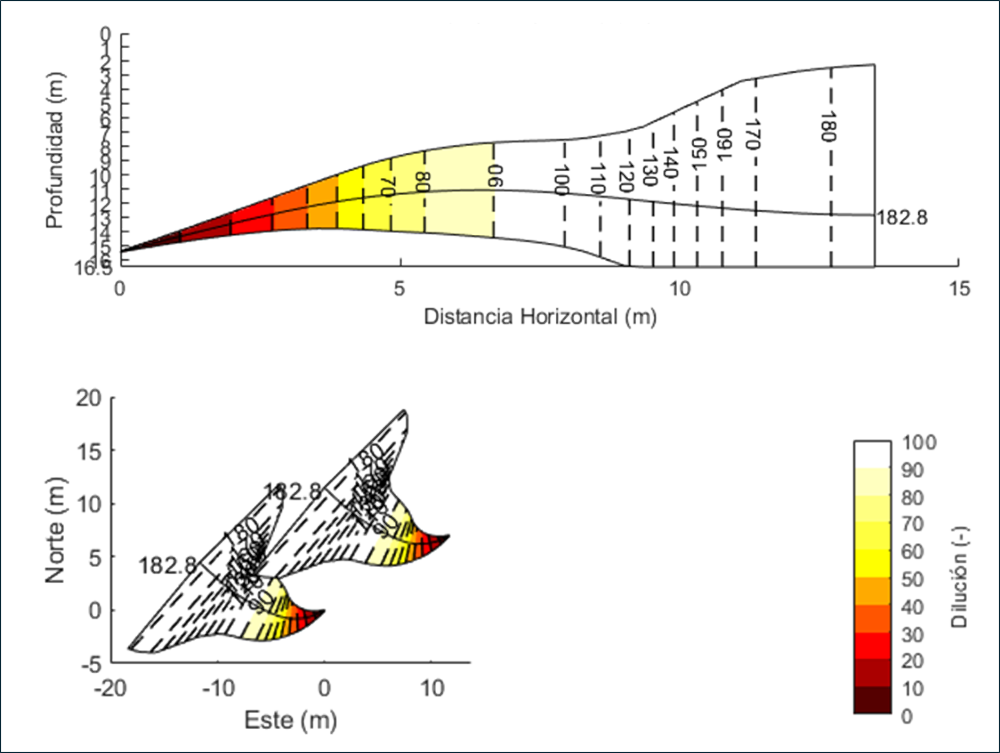
- Stratified flows, buoyant and dense plumes and gravity flows.
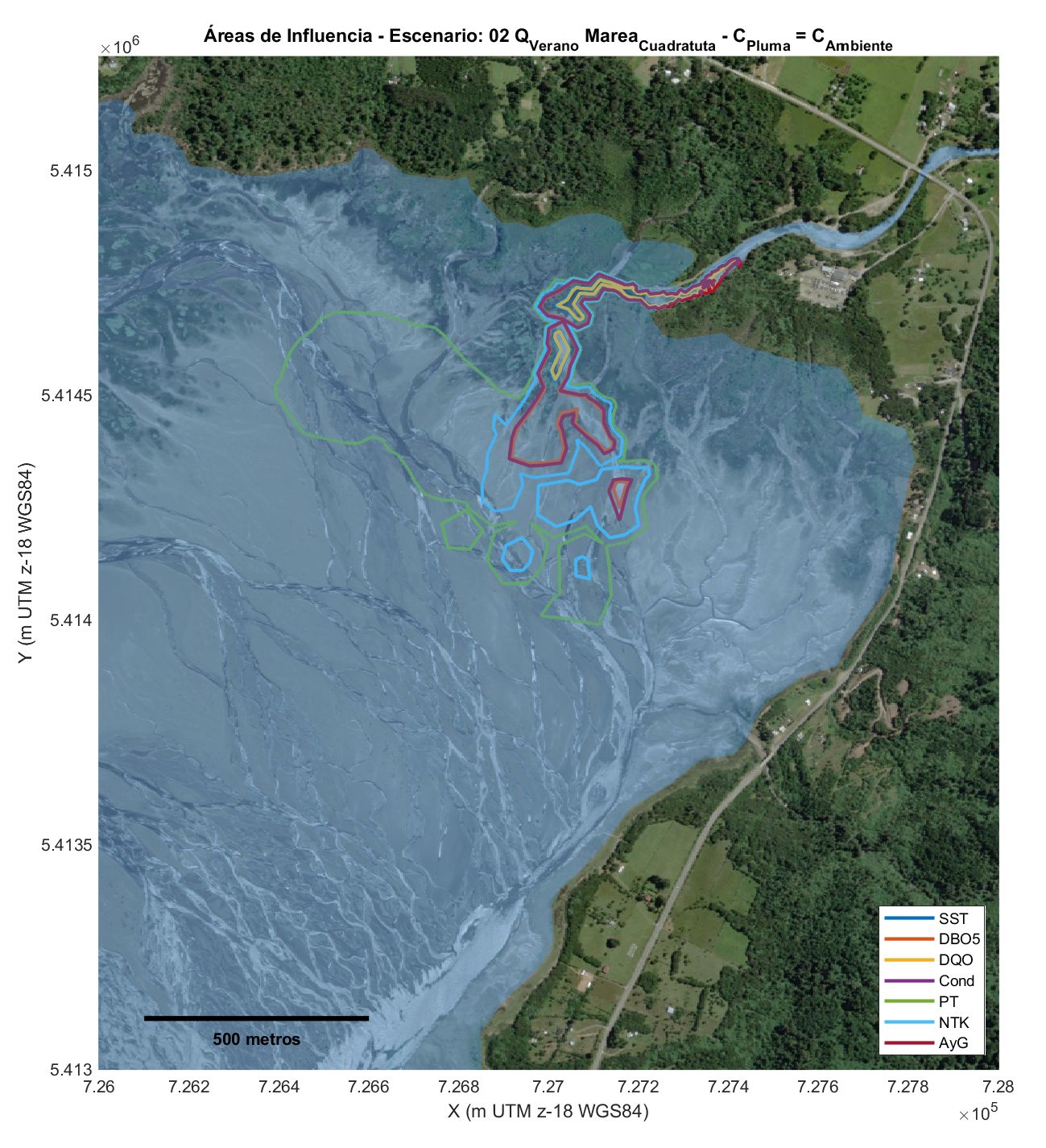
- Water quality, pollutants and tracer dispersion modelling.
- Engineering design of ports and coastal structures.
Rivers and Channels
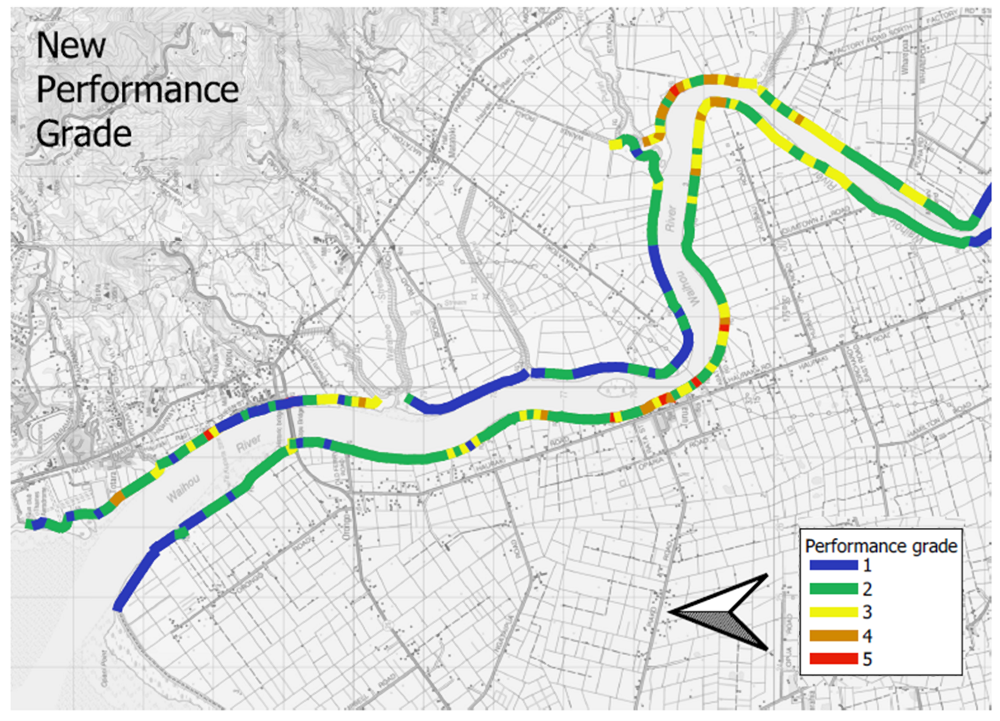
- Hydraulic and hydrology of rivers and channels.
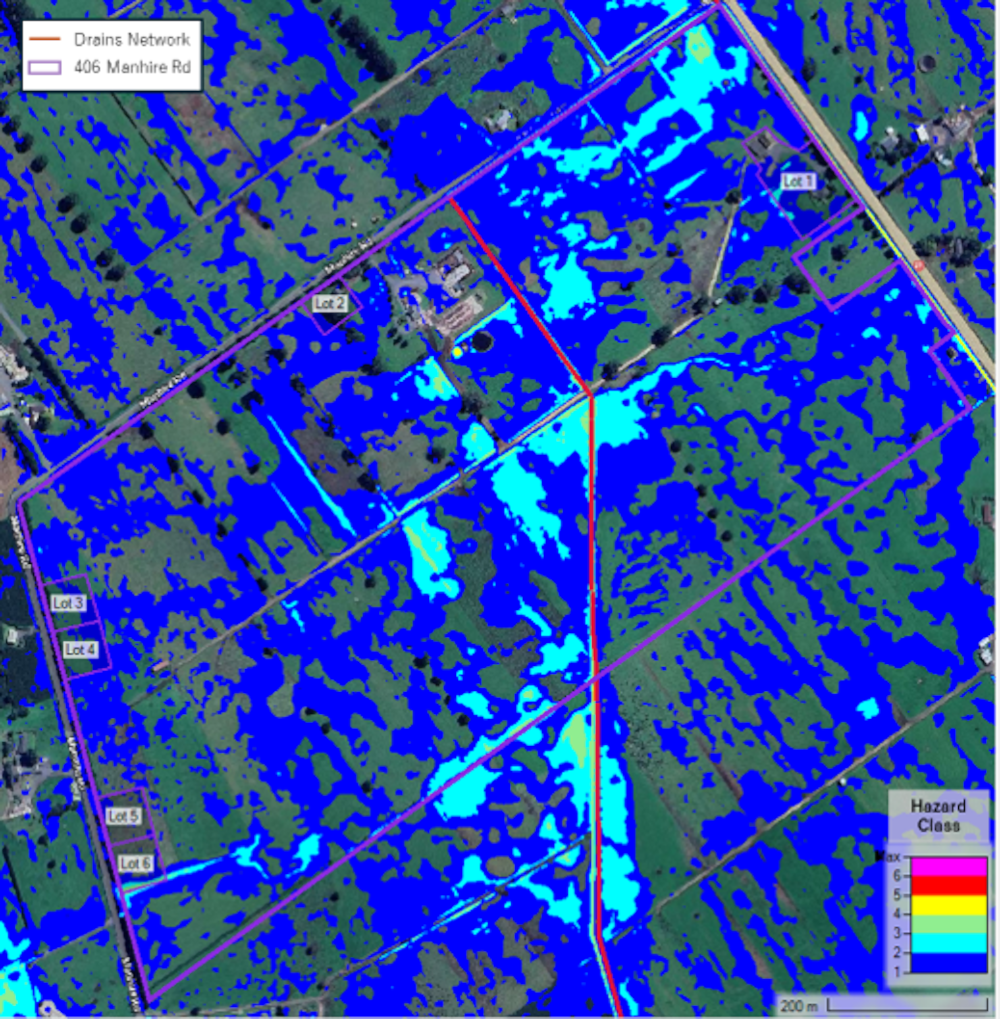
- River flood modelling.
- Dam break modelling.
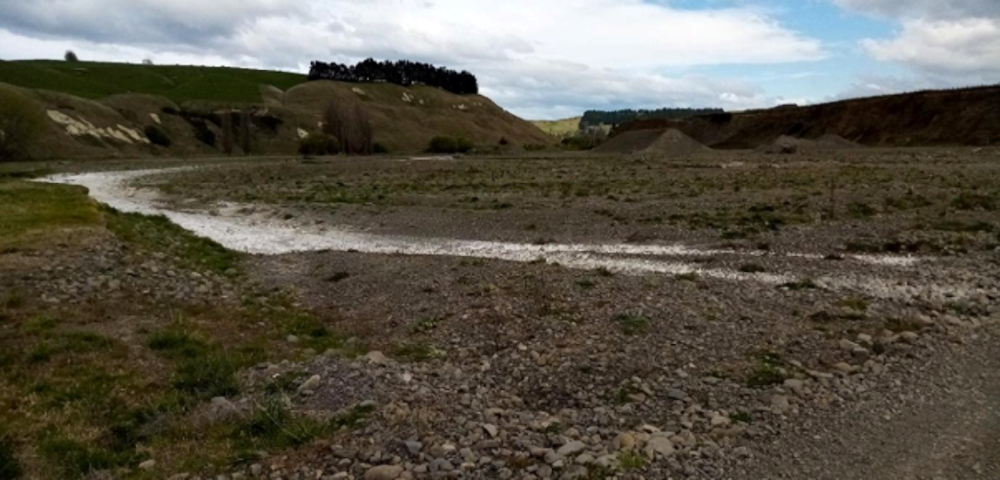
- Scour, erosion and sediment transport in rivers and channels.
- Water quality, pollutant and tracer dispersion modelling.
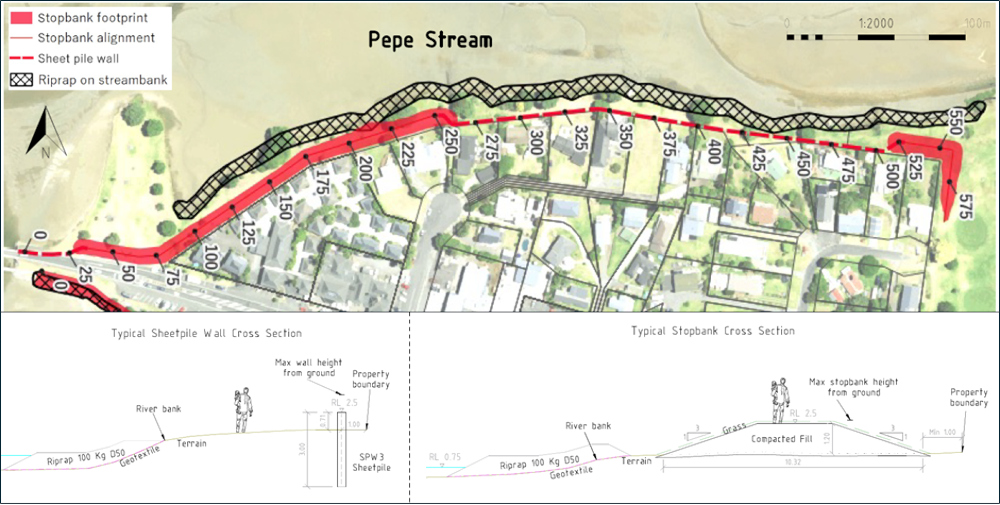
- Engineering design of river and channel works.
Lakes and Reservoirs
- Hydrodynamic and water quality modelling in lakes and reservoirs.
- Flow patterns, seiches, resonance and long waves.
- Stratified flows, buoyant and dense plumes and gravity currents.
- Water quality, pollutant and tracer dispersion modelling.
- Scour, erosion and sediment transport in lakes and reservoir margins.
- Wave modelling in lakes.
- Engineering design of lake and reservoir structures.
Water Resources and Irrigation
- Multipurpose water management and optimization.
- Hydrology.
- Design of irrigation structures and systems.